Asphalt doesn't fail overnight. It fails one skipped season at a time.
A well-maintained lot can last a decade or more. A neglected one can need major work in half that time, even with the same traffic and the same materials underneath. The difference almost always comes down to three habits.
1. Seal It Before the Elements Get In
Asphalt's biggest enemy isn't traffic. It's water and sun working on it when no one's watching.
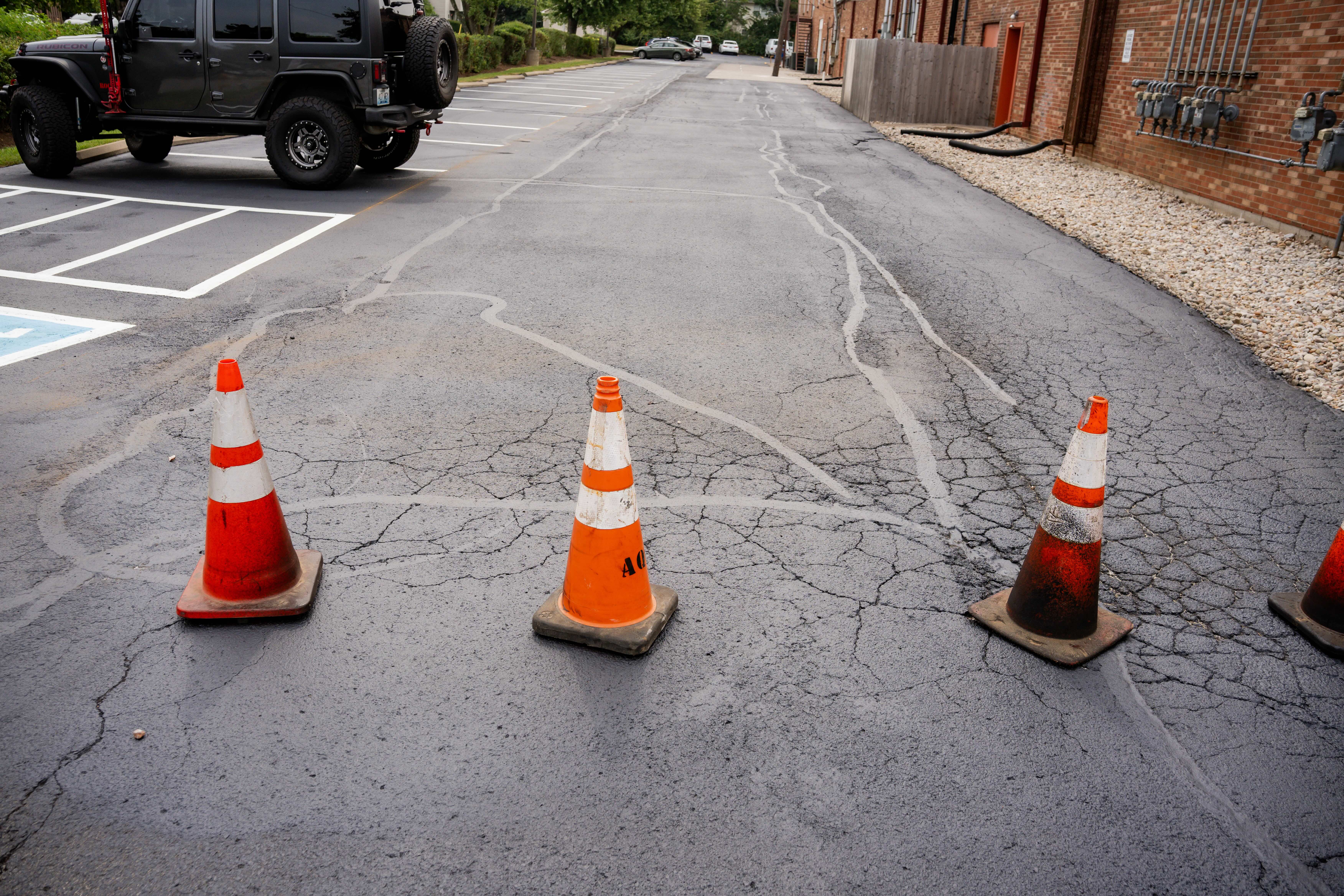
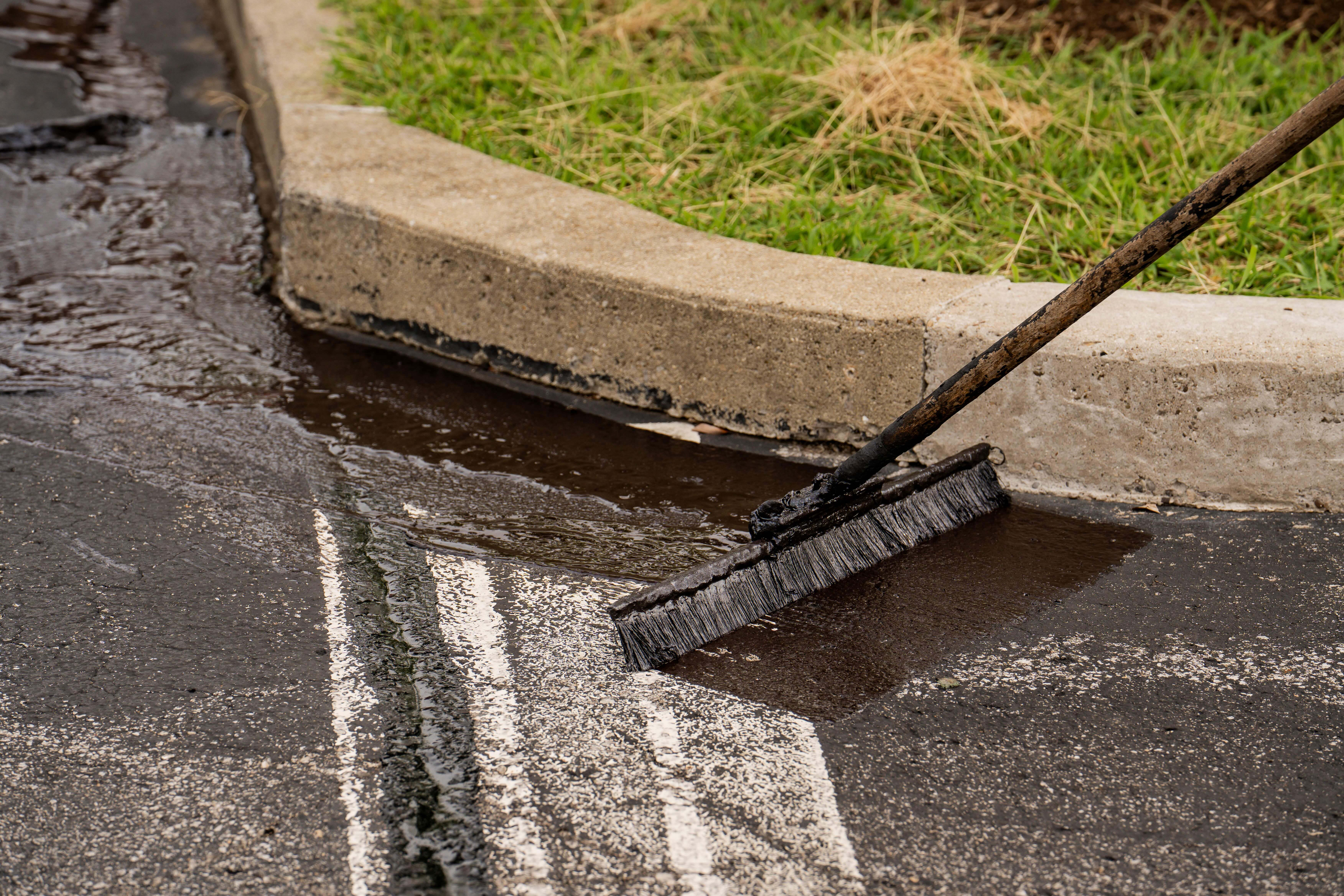
UV exposure dries out the asphalt binder over time, making the surface brittle and more prone to cracking. Water is worse. Once it gets past the surface, through even a hairline crack, it works its way into the base and starts breaking down the structure underneath. Sealcoating protects the surface from UV and everyday wear. Crack sealing closes the entry points before water gets the chance. Done on a regular cycle, usually every two to three years for sealcoating, this is the cheapest insurance your pavement will ever get.
2. Keep Water Moving Away From the Pavement
Standing water is one of the fastest ways to age a parking lot. If water pools anywhere on your lot, it's not draining the way it should, and it's actively working against the pavement every time it rains.
A few things worth checking:
- Low spots or birdbaths where water collects and sits after rain
- Storm drains and catch basins that are clogged or undersized for the lot
- Grading that's shifted over time, especially near curbs and building edges
Fixing drainage issues is rarely glamorous, but it protects everything else you've invested in the pavement. No amount of sealcoating or patching outlasts water that's allowed to sit and soak in the same spot year after year.
3. Stay Ahead of Small Repairs With Regular Inspection
The lots that last the longest aren't the ones that never have problems. They're the ones where problems get caught early.
A crack sealed within its first year or two is a minor cost. The same crack left for several seasons becomes a pothole, and the pothole becomes a patch. Walking the lot on a set schedule, at least once or twice a year, and after any major storm, catches these issues while they're still cheap to fix. A preventative maintenance plan turns this from something you remember to do into something that just happens on schedule.
The Bottom Line
Extending the life of your asphalt isn't about a single big project. It's about protecting the surface, managing water, and catching small problems before they grow. Those three habits, done consistently, are what separate a lot that lasts twenty years from one that needs replacing in ten.
Not sure where your lot stands on any of these? APM Paving offers a free assessment. We'll tell you what's protecting your investment and what's putting it at risk.