You get three quotes for the same parking lot. One is noticeably cheaper than the other two.
It's tempting to take it. The budget is tight, the scope looks the same on paper, and a lower number is easy to defend in a meeting.
But two bids that look identical often aren't. The difference usually shows up a year or two later, and it shows up in your budget.
Why Bids Don't Always Compare Cleanly
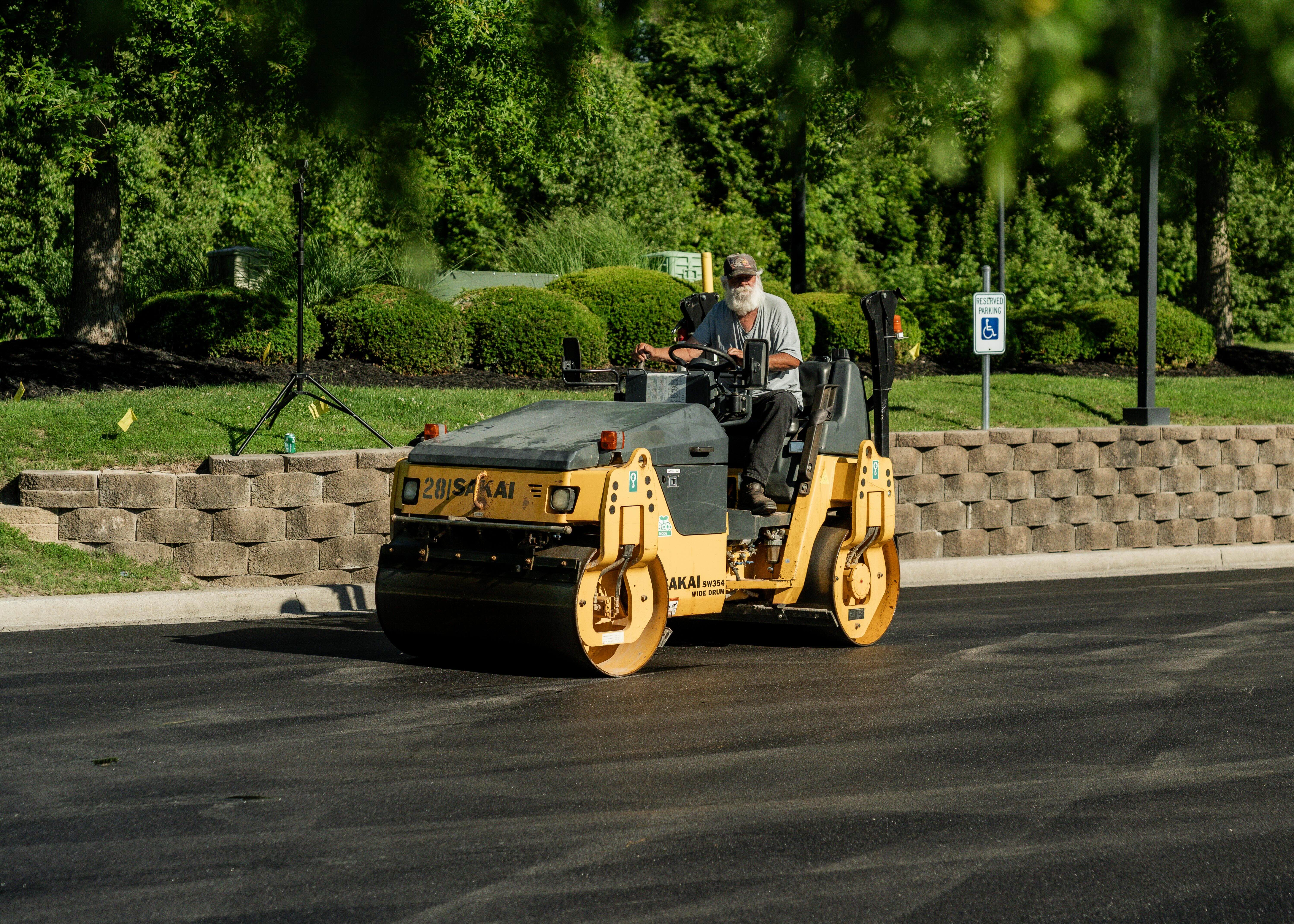
Asphalt work is mostly hidden. Once the job is done, you can't see how thick the new layer is, how well the base was prepared, or what went into the mix.
That makes it easy for two quotes to look the same while describing very different projects. The price gap often comes from what's left out, not from a better deal.
Where a Cheaper Bid Can Cut Corners
Not every low bid is a bad one. But when a price is well below the others, it's worth asking where the savings come from.
- Base preparation. Fixing or rebuilding failed areas before paving takes time and materials. Skipping it saves money now and lets the old problems come back through the new surface.
- Asphalt thickness. A thinner layer costs less and wears out sooner. The surface can look the same on day one.
- Materials. Mix quality and sealcoat quality vary. The cheaper product may not hold up to weather and traffic the way a better one does.
- Drainage. Standing water shortens the life of any pavement. Ignoring it is cheaper today and expensive later.
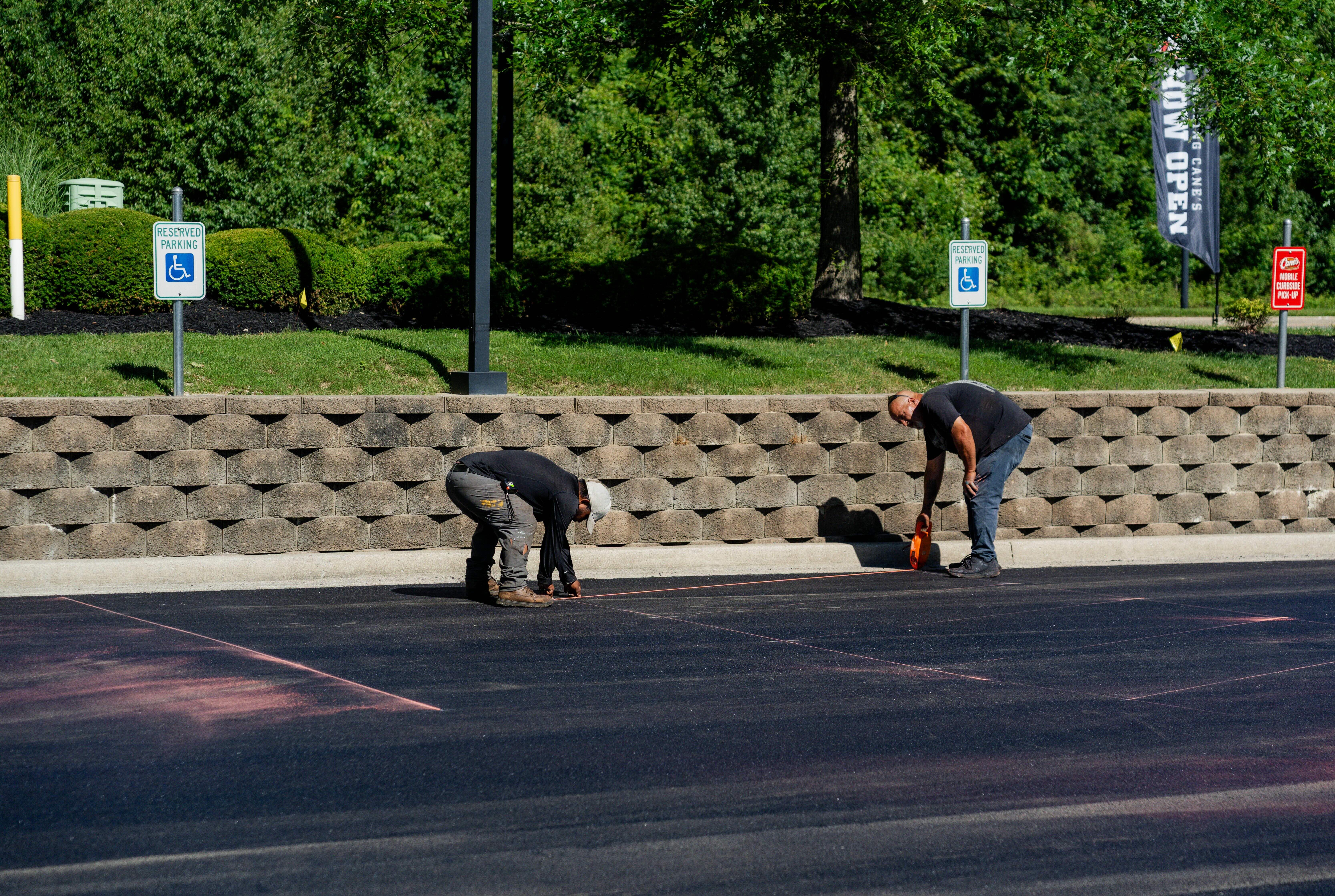
- Scope. One bid may include crack sealing, patching, and striping. Another may quietly leave them out.
- Insurance and warranty. A bid that doesn't include proper coverage shifts risk onto you.
What a Short-Lived Repair Really Costs
Think about two lots that both get work done this year.
One gets a thorough job priced higher. The other gets a cheaper job that skips steps. In year one, they look nearly the same.
By year two or three, the cheaper job starts showing cracks, loose material, or low spots where water collects. Now you're paying for repairs, or redoing the work, on top of what you already spent.
That's the real math. You're not comparing two prices. You're comparing the cost of the work divided by how long it lasts.
How to Compare Bids Fairly
You don't need to be an asphalt expert. You just need to ask the same questions of every contractor.
- Get the scope in writing. Make sure every bid lists the same work, area, and materials.
- Ask about thickness and base prep. A good contractor can explain exactly what they plan to do and why.
- Ask about drainage. If water collects on your lot, the bid should address it.
- Check insurance and references. Ask for proof of coverage and examples of similar jobs.
- Ask what the warranty covers. Know what's included, how long it lasts, and what voids it.
- Look at the outliers. If one price is far lower than the rest, ask them to explain the difference line by line.
If a contractor can't clearly explain their number, that tells you something too.
The Bottom Line
A lower price isn't a mistake. A lower price you don't understand is.
The goal isn't to pay the most. It's to know what you're paying for, and to get a lot that lasts as long as it should.
If you're comparing bids right now and want a second set of eyes on the scope, APM Paving offers a free assessment so you can see what your lot actually needs before you decide.
Suggested tagging (for site CMS):Category: Planning & BudgetingServices: Budgeting, Asphalt Paving Installation, Asphalt Overlay, Asphalt Patching, Asphalt Crack Sealing, Parking Lot Striping, Stormwater Management, Built to Last