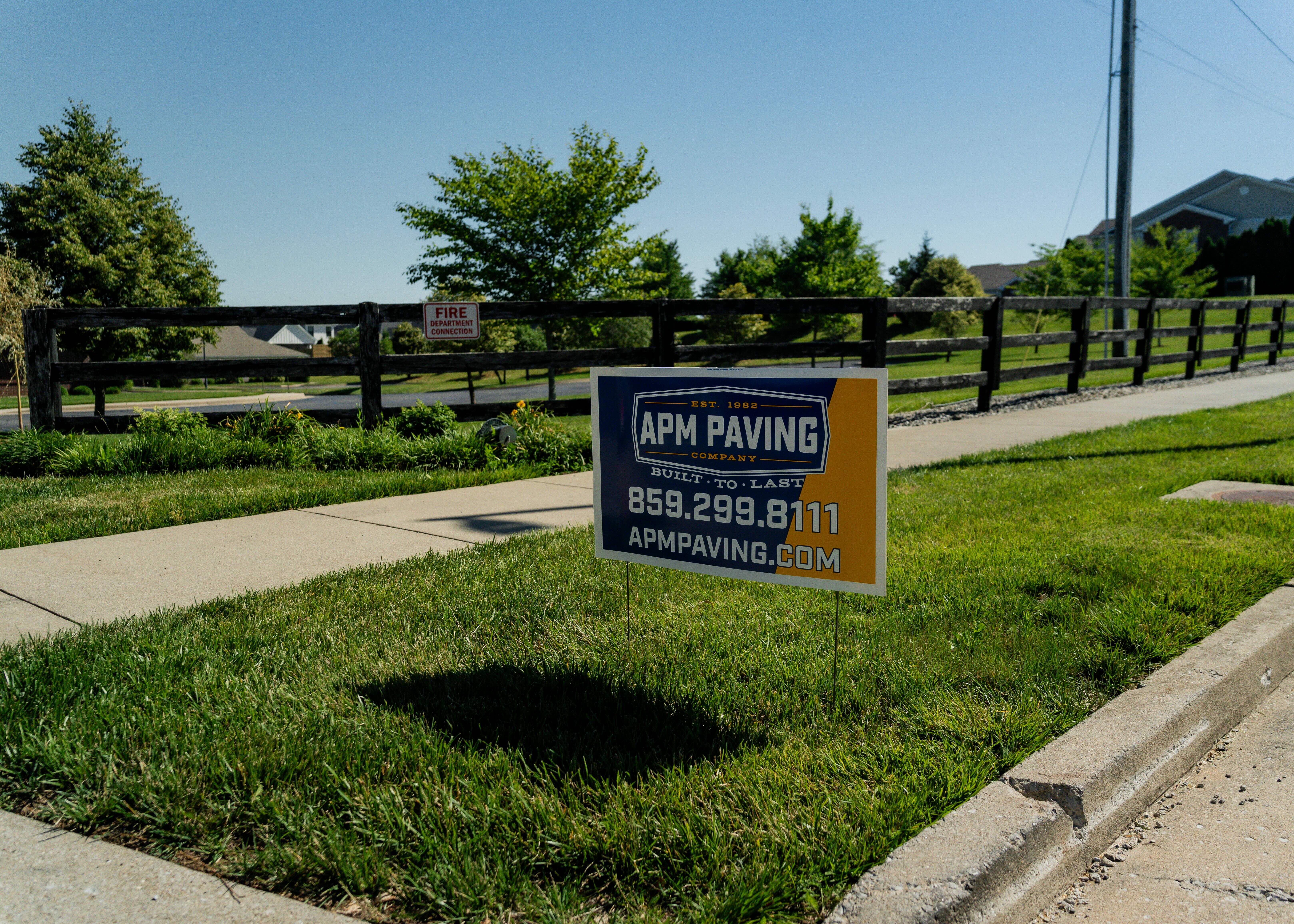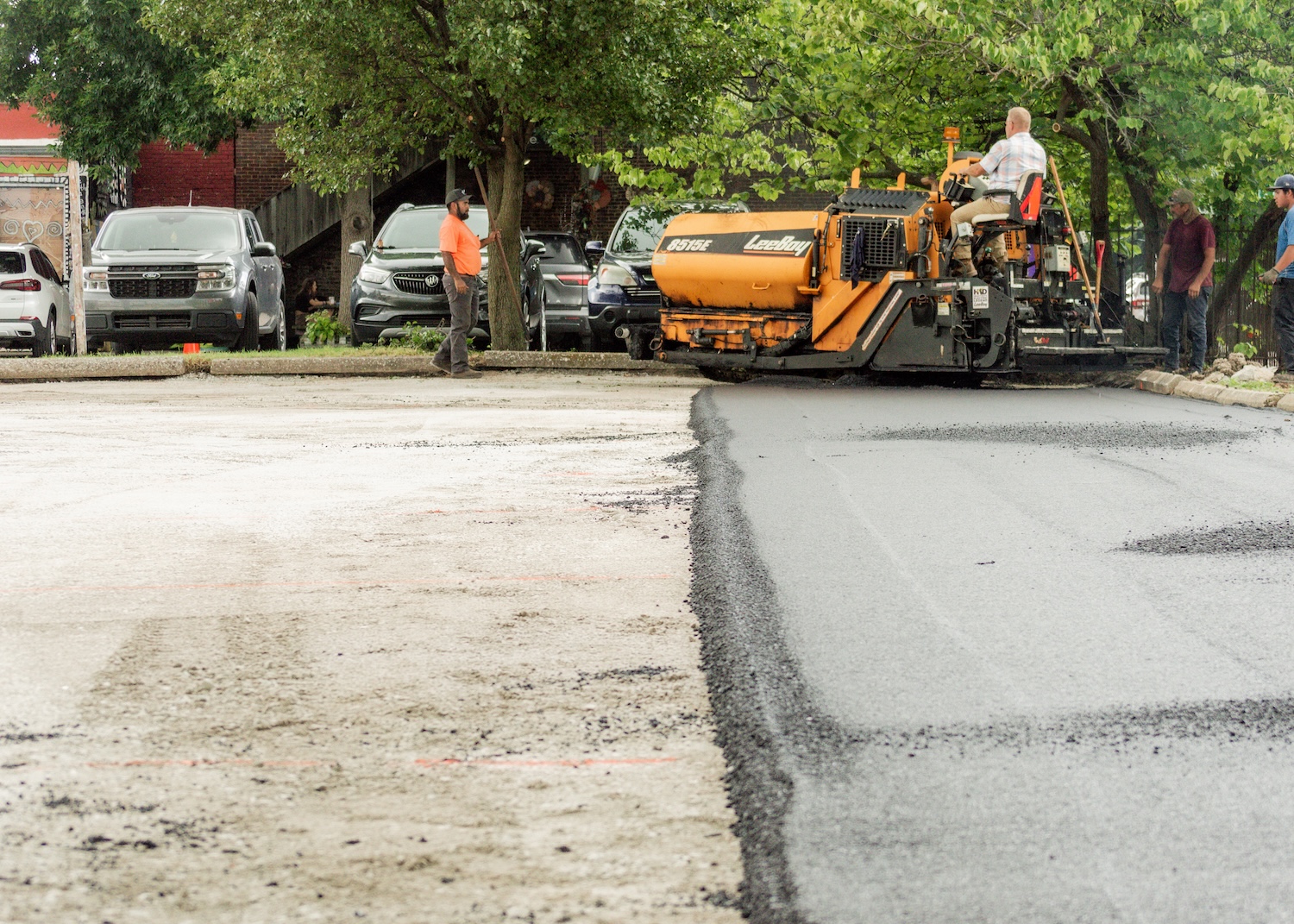
One cracked lot is a repair. Ten cracked lots across a portfolio, all competing for the same budget, is a resource allocation problem.
If you're managing a single property, the question is simple: fix it or don't. If you're managing a portfolio, the question is harder. Which property gets the budget this year? Which repair can wait another season without turning into a rebuild? And how do you make that case to owners or a board without a plan behind it?
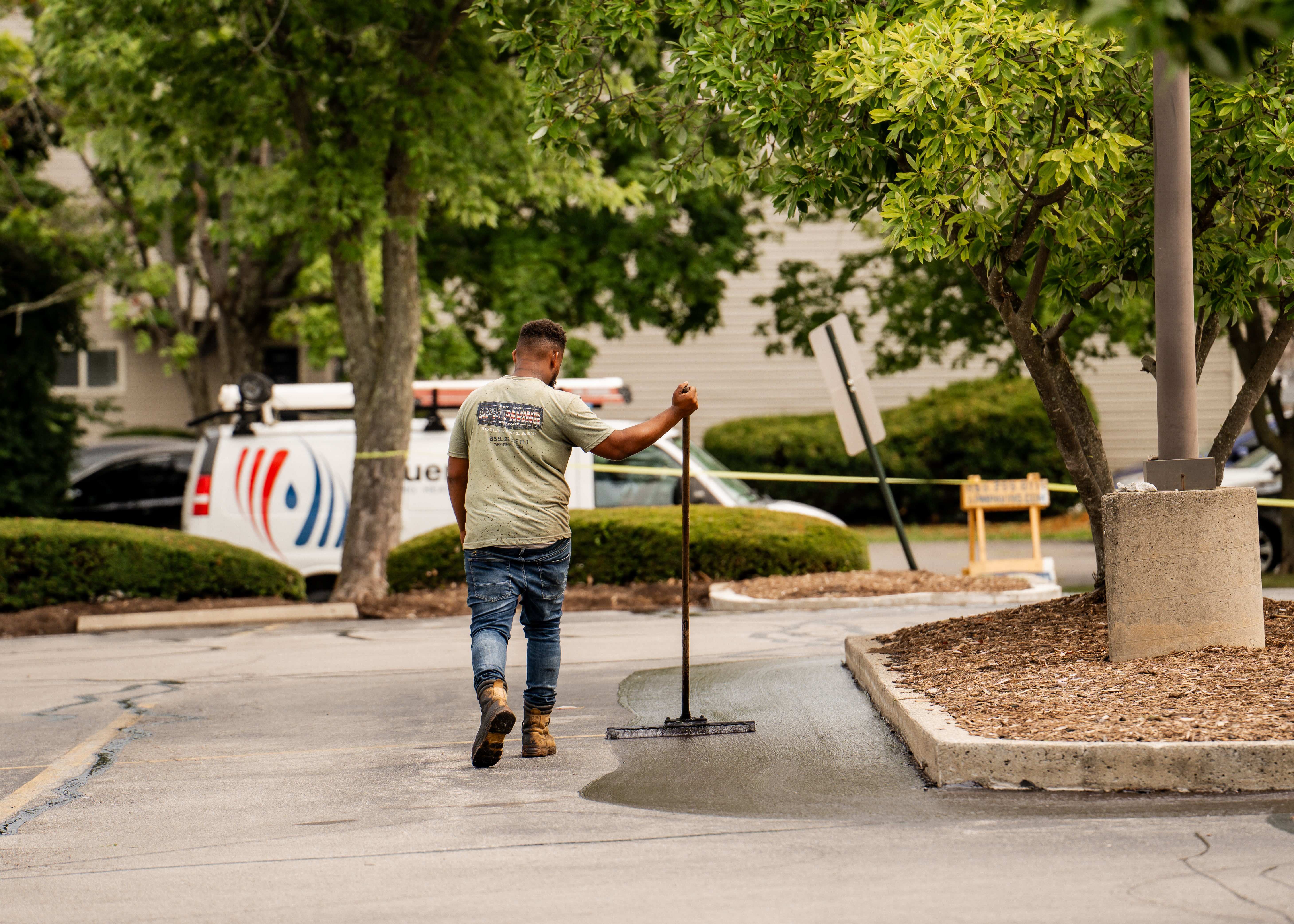
Why Pavement Management Is Different at the Portfolio Level
At a single site, pavement is a maintenance item. Across a portfolio, it's a capital planning item, and it competes with roofing, HVAC, and every other line item on every property you manage.
Every lot in your portfolio is aging on its own timeline. A property that got a fresh overlay five years ago isn't in the same position as one that hasn't seen work in fifteen. Without a system for tracking that, decisions default to whichever property complains loudest, or whichever lot has the pothole an owner happened to drive over. That's not a plan. That's triage.
The properties that stay ahead of pavement costs aren't the ones with the biggest budgets. They're the ones who know the condition of every lot in their portfolio and can defend, with numbers, why one property gets funded this year and another gets funded next.
The Property Manager's Challenge
You're not choosing between fixing a lot and not fixing it. You're choosing between properties, and you're doing it with owners, boards, or regional leadership watching the budget.
That means every recommendation needs a reason behind it, not just a bid. It also means consistency matters. If one property gets premium materials and attentive follow-up while another gets whatever a subcontractor had time for, that inconsistency shows up in tenant complaints, in unplanned repairs, and eventually in your own credibility when you're asking for next year's capital budget.
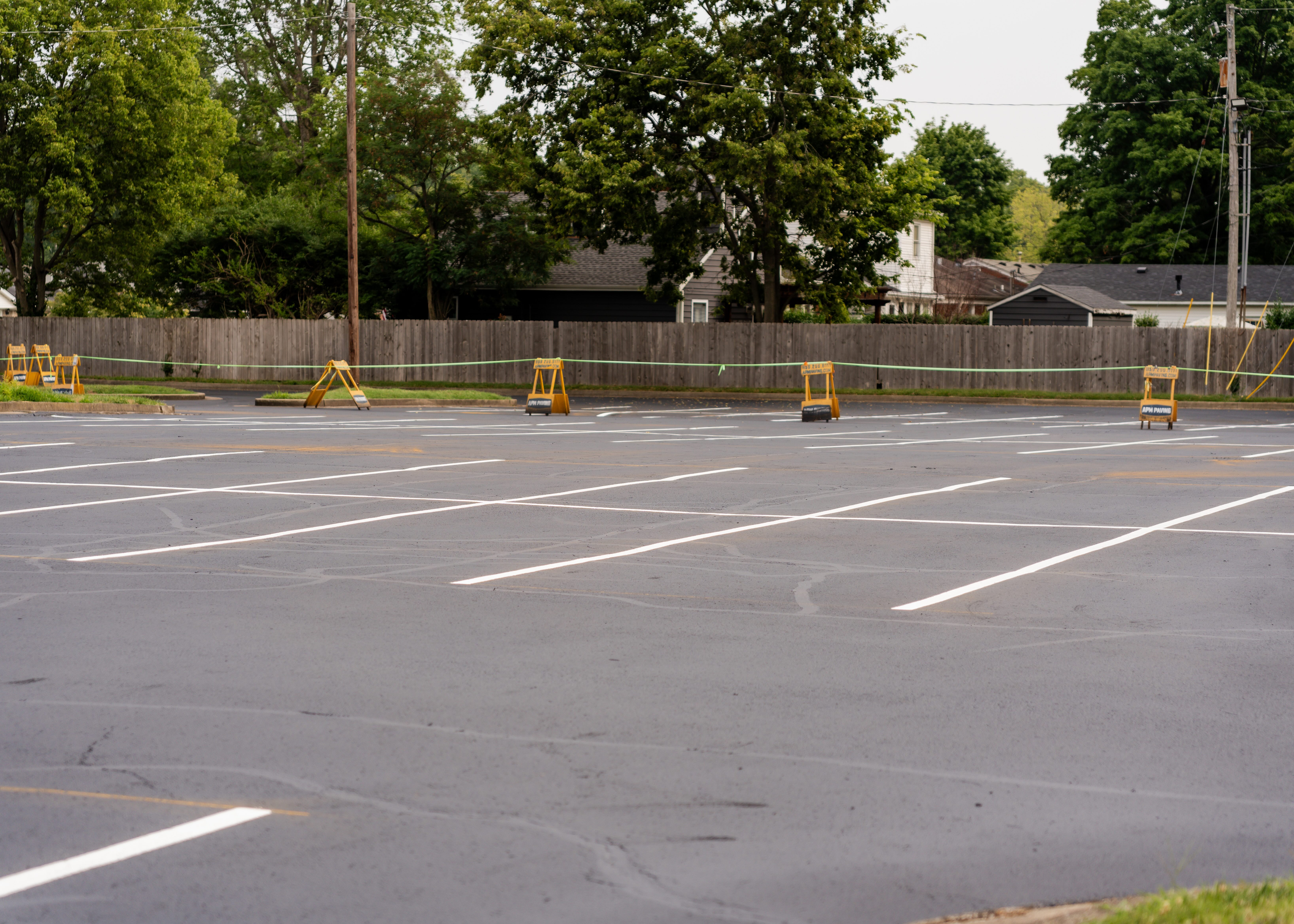
Where Portfolios Lose Money
Most pavement budgets aren't blown by one bad decision. They're worn down by a handful of habits that repeat across a portfolio:
- Reactive spending. Fixing whatever fails first instead of what's failing fastest means chasing problems instead of getting ahead of them.
- Deferred maintenance debt. A crack seal deferred for two years becomes a patch. A patch deferred becomes a mill and overlay. The math only moves in one direction.
- Inconsistent vendors and standards. Different contractors, different materials, and different quality across properties in the same portfolio make it nearly impossible to compare condition or plan capital accurately.
- No prioritization framework. Without a way to rank properties by real risk and real cost, budget tends to go to whoever asked most recently, not whoever needs it most.
- Misjudging what's still repairable. Waiting too long to bring in an assessment often means a property crosses from "patch and seal" into "full reconstruction" territory, at a fraction of the notice and multiples of the cost.
Building a Realistic Maintenance Plan
A portfolio-level plan starts with the same thing a single-property plan does: knowing exactly what condition every lot is in, right now, not from memory or the last time someone complained.
From there, the plan is really a prioritization system:
- Inspect every property on the same schedule, so conditions are compared on equal footing
- Rank properties by risk and cost of delay, not just visible damage
- Build a multi-year capital plan that spreads major work across budget cycles instead of stacking it all in one bad year
- Align pavement budgeting with reserve fund planning, so major repairs are funded before they're urgent
- Use one point of contact and one standard of work across every property, so quality and communication don't vary by location
Long term asphalt management isn't about spending more. It's about spending in the right order, on the right properties, before small problems become the expensive kind.
The Bottom Line
Managing pavement across a portfolio is a different job than managing it at one address. It takes a system, not a reaction to whichever lot looks worst this month. The property managers who get ahead of it spend less over time and never have to explain to an owner why a manageable repair turned into an emergency.

A Quick Takeaway
Know the condition of every lot in your portfolio, rank them by real risk instead of visibility, and fund the work in a plan instead of a scramble. That's what turns pavement from a recurring headache into a predictable line item.
If you're managing pavement across multiple properties and want a clear picture of where each one stands, APM Paving offers a free assessment. We'll help you build the plan and the priorities to back it up.