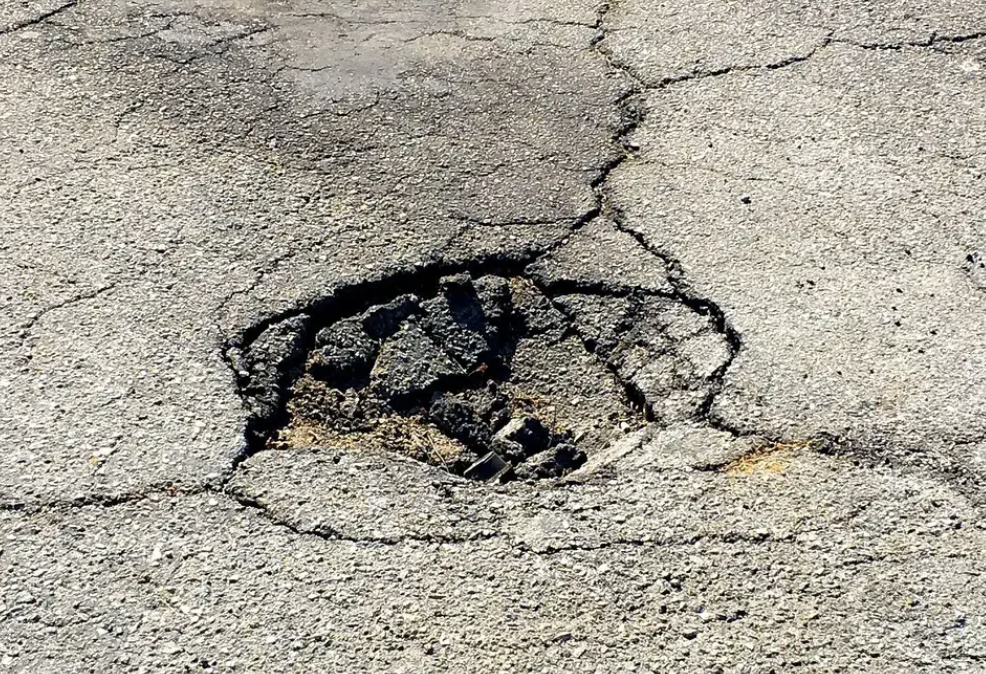
A pothole rarely stays small. Water gets in, traffic works on it, and a few inches of damage can grow into a few feet.
How quickly and how well you respond makes a real difference, both for the people using your property and for your repair bill. Here's a simple sequence to follow, one step at a time.
Step 1: Make It Safe First
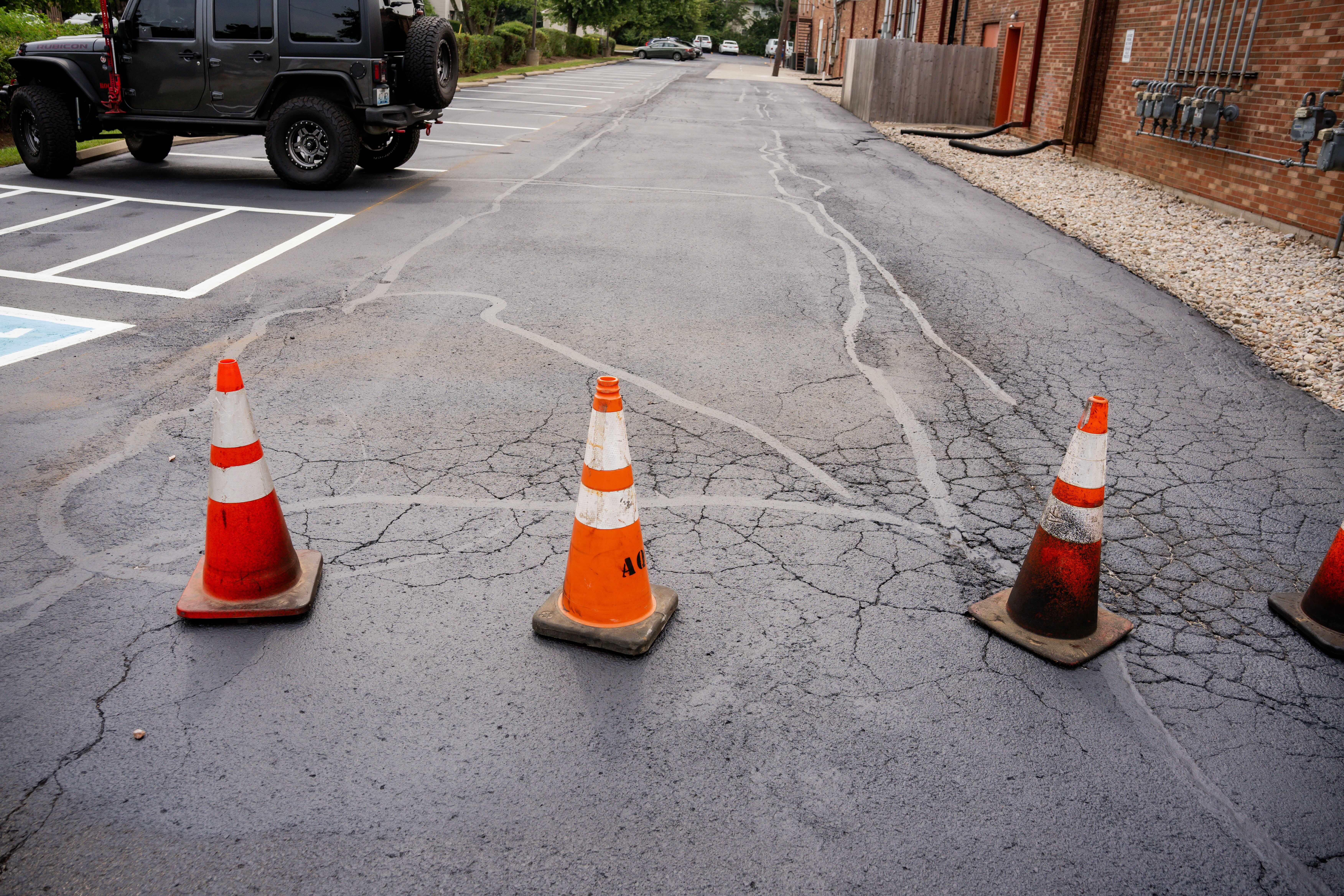
Before anything else, protect the people who use the area. A pothole can damage a vehicle, cause a trip, or surprise a driver or cyclist.
While you arrange a repair:
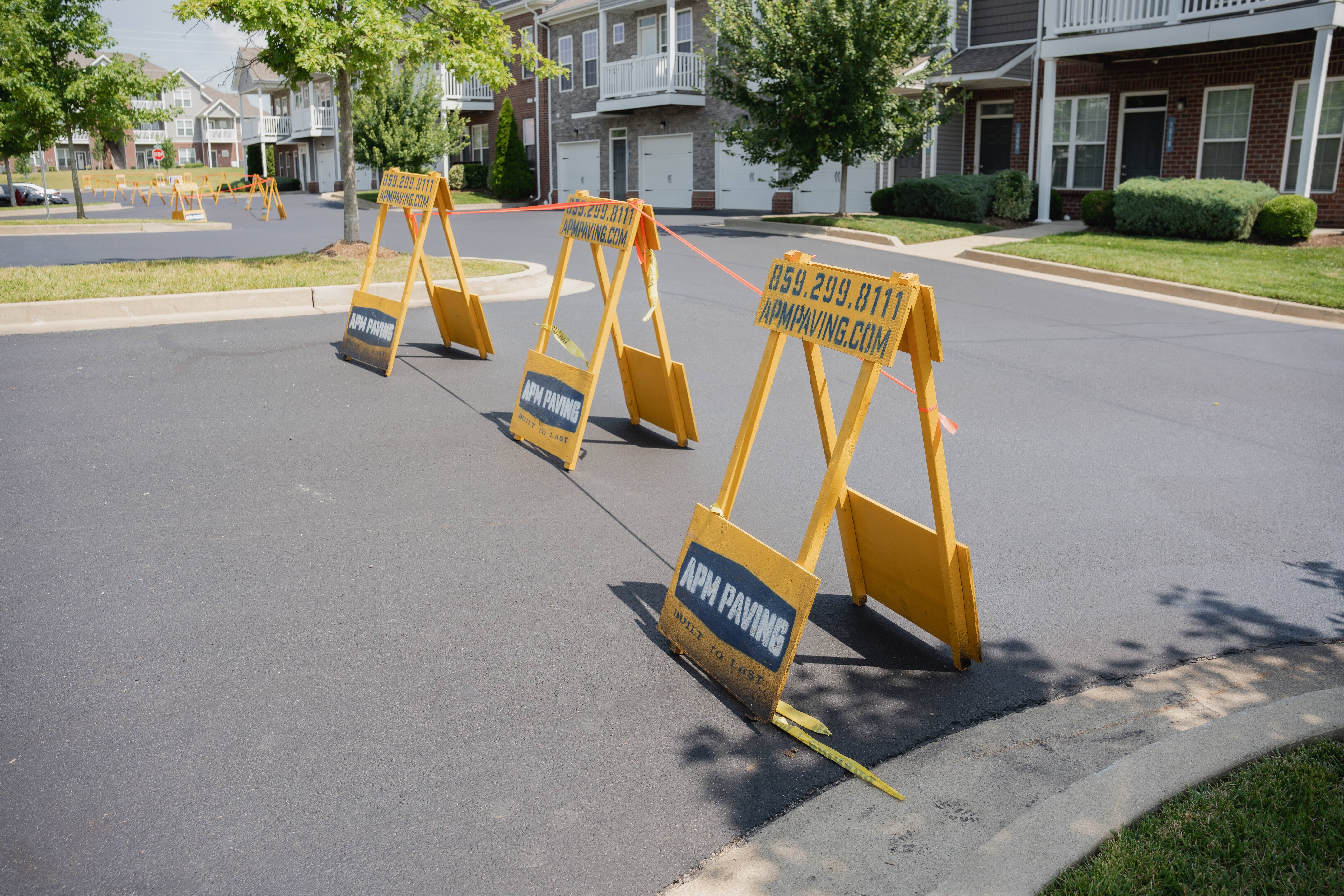
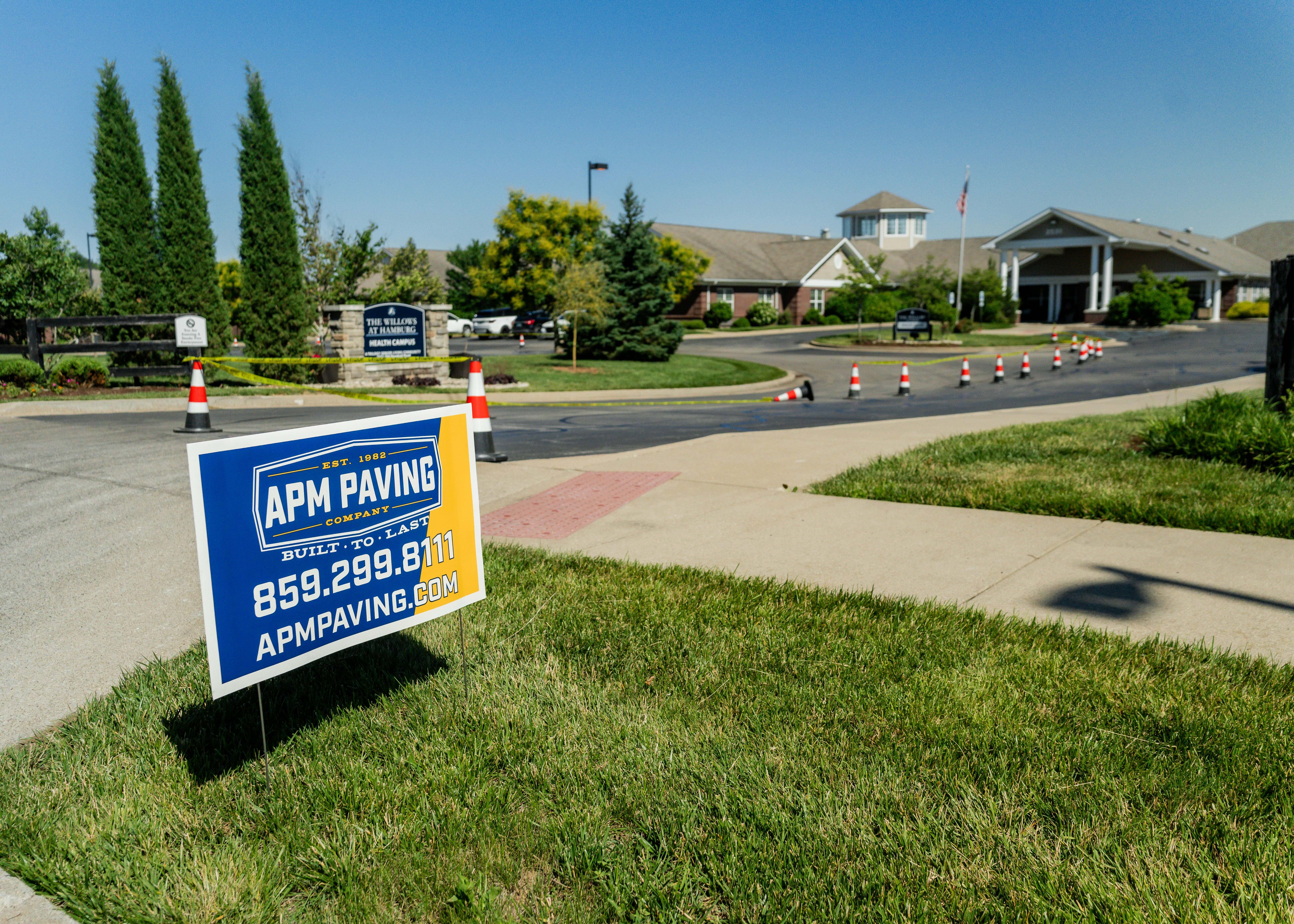
- Mark the area with cones, barricades, or caution tape
- Redirect traffic or foot traffic around it if you can
- Keep the markers visible and in place until the repair is done
Even a simple, clear warning is better than leaving it unmarked.
Step 2: Document What You See
Take a few minutes to record the problem before anything changes. Good notes make every later step easier.
Capture:
- Photos from a couple of angles, with something in the frame for scale
- The date, time, and exact location on the property
- The approximate size and depth
- Any recent weather, such as heavy rain or a freeze and thaw cycle
Keep these in one place, such as a shared folder or a maintenance log, so they're easy to find later.
Step 3: Report It and Log It
Make sure the right people know. That might be a property manager, facility director, owner, or whoever handles maintenance.
Add the pothole to your maintenance log with the date it was found, the date it was reported, and who is responsible for follow-up. A written record shows the issue was noticed and acted on, and it keeps small items from being forgotten.
Step 4: Decide on a Temporary or Permanent Repair
Not every pothole can be repaired permanently right away, especially in cold weather. Your contractor can tell you what's possible at the time of year you're in.
In general:
- A temporary repair keeps the area safe and usable until conditions allow more
- A permanent repair addresses the failed area properly, usually by cutting out damaged material and rebuilding the section
A temporary fix is a bridge, not a finish line. Plan for the permanent repair, and put it on the calendar.
Step 5: Find Out Why It Formed
Potholes are usually a symptom. Water is the most common cause, but the reason it got in matters.
Look around the area for:
- Cracks nearby that let water into the base
- Low spots or poor drainage that keep the area wet
- Clogged drains or runoff that flows toward the spot
- Other potholes or patches close by
If the cause isn't addressed, the repair can fail and the pothole can come back. A contractor can look at the area and tell you whether it's a one-off or a sign of a bigger problem.
Step 6: Follow Up and Watch for More
After the repair, go back and check it. Look at it again after the next heavy rain or freeze and thaw, and note the result in your log.
Then take a wider look. One pothole often means others are on the way. Walking the property and sealing cracks before they open up is far cheaper than repairing one pothole after another.
The Bottom Line
The sequence is simple: make it safe, document it, report it, choose the right repair, find the cause, and follow up. Handled this way, a pothole becomes a small, managed repair instead of a recurring problem.
Dealing with potholes now, or want to stop the next one before it forms? APM Paving offers a free assessment. We'll look at the area with you and tell you what's needed and what can wait.