A cracked parking lot at an office park is an eyesore. A cracked drive lane at an industrial site is a liability, a bottleneck, and eventually a very expensive repair.
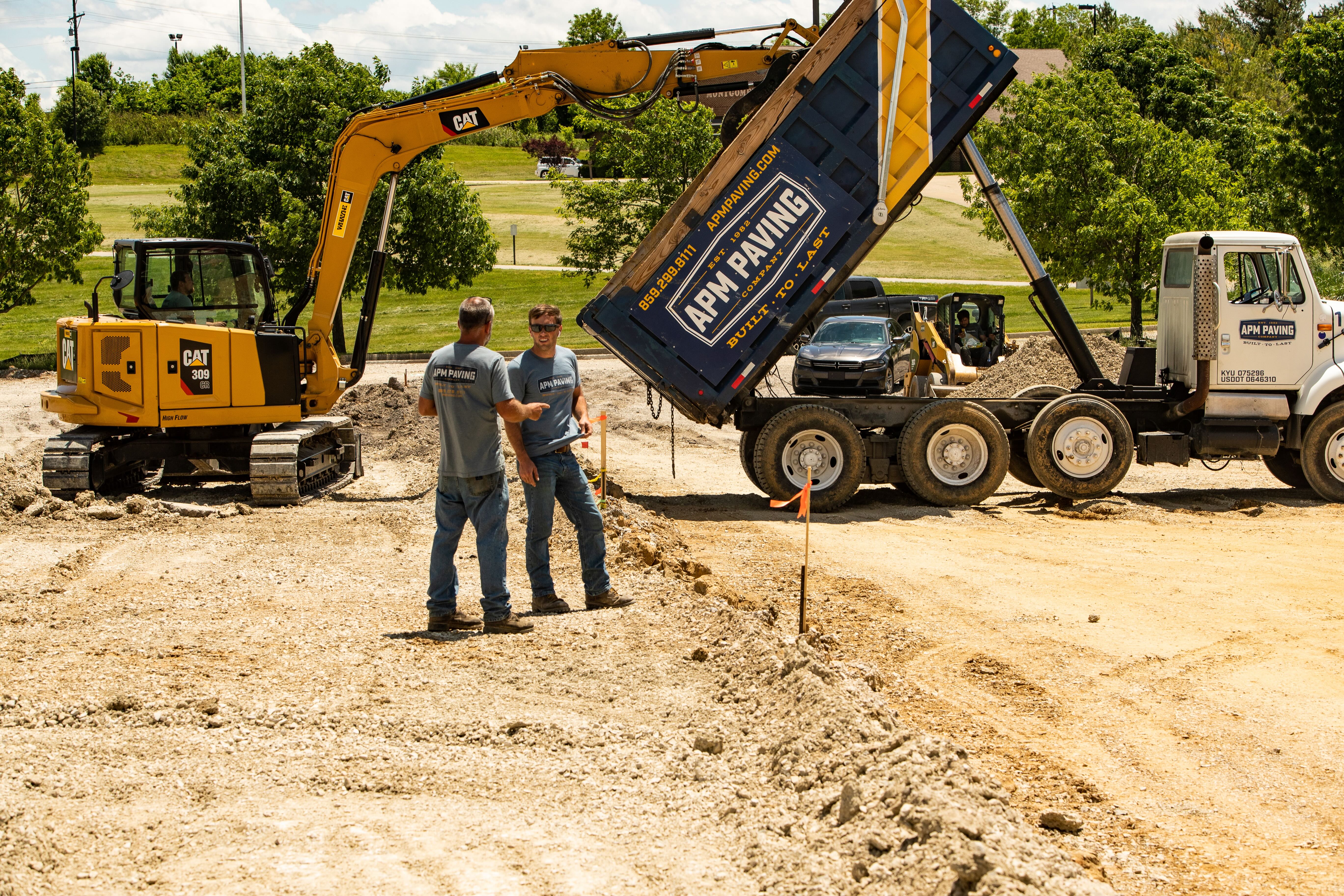
Industrial pavement doesn't just get walked on. It gets pounded by tractor-trailers, forklifts, and loaded trucks every day, often around the clock. When that pavement fails, it doesn't just look bad. It slows down operations, damages equipment, and puts your people at risk.
Why Pavement Matters More Here
At most commercial properties, pavement is about curb appeal. At an industrial facility, it's about function.
Your asphalt is infrastructure. It's part of how product moves in and out of your building. A pothole in the wrong spot can delay a delivery, damage a trailer's landing gear, or put a forklift operator on the ground. A drive lane that can't handle the weight it's carrying will fail years before it should, and it'll fail at the worst possible time.
Industrial pavement also carries more liability exposure than most people think about until something goes wrong. Employees, drivers, and visiting vendors are all crossing that lot daily, often in a hurry, often backing up, often moving equipment that isn't forgiving of a bad surface.
The Industrial Challenge
Here's the constraint every plant manager and facilities director runs into: you can't shut down operations to fix the pavement.
Retail properties can close a section of a lot overnight. Industrial sites usually can't. Trucks still need to load. Product still needs to ship. Shifts still need to change. Any maintenance plan for an industrial facility has to work around your operation, not the other way around.
That means the timing of repairs matters as much as the repairs themselves. A contractor who doesn't understand your shipping schedule, your shift changes, or your traffic patterns will cost you more in downtime than the repair itself is worth.
Common Problem Areas
Not all pavement on an industrial site wears the same way. A few areas take the brunt of the damage and deserve the closest attention:
- Loading docks and aprons. Constant weight transfer from trailers, plus the point-loading from landing gear and dock plates, breaks down asphalt faster than almost anywhere else on the property.
- Drive lanes and truck routes. Repeated heavy axle loads, especially on tight turning radiuses, create rutting and edge cracking well before the rest of the lot shows wear.
- Equipment staging and container storage areas. Concentrated static loads from parked trailers, containers, or heavy equipment can cause depressions that don't show up until they're already a problem.
- Fuel and chemical exposure zones. Diesel, hydraulic fluid, and other petroleum products break down standard asphalt binder over time if it isn't protected.
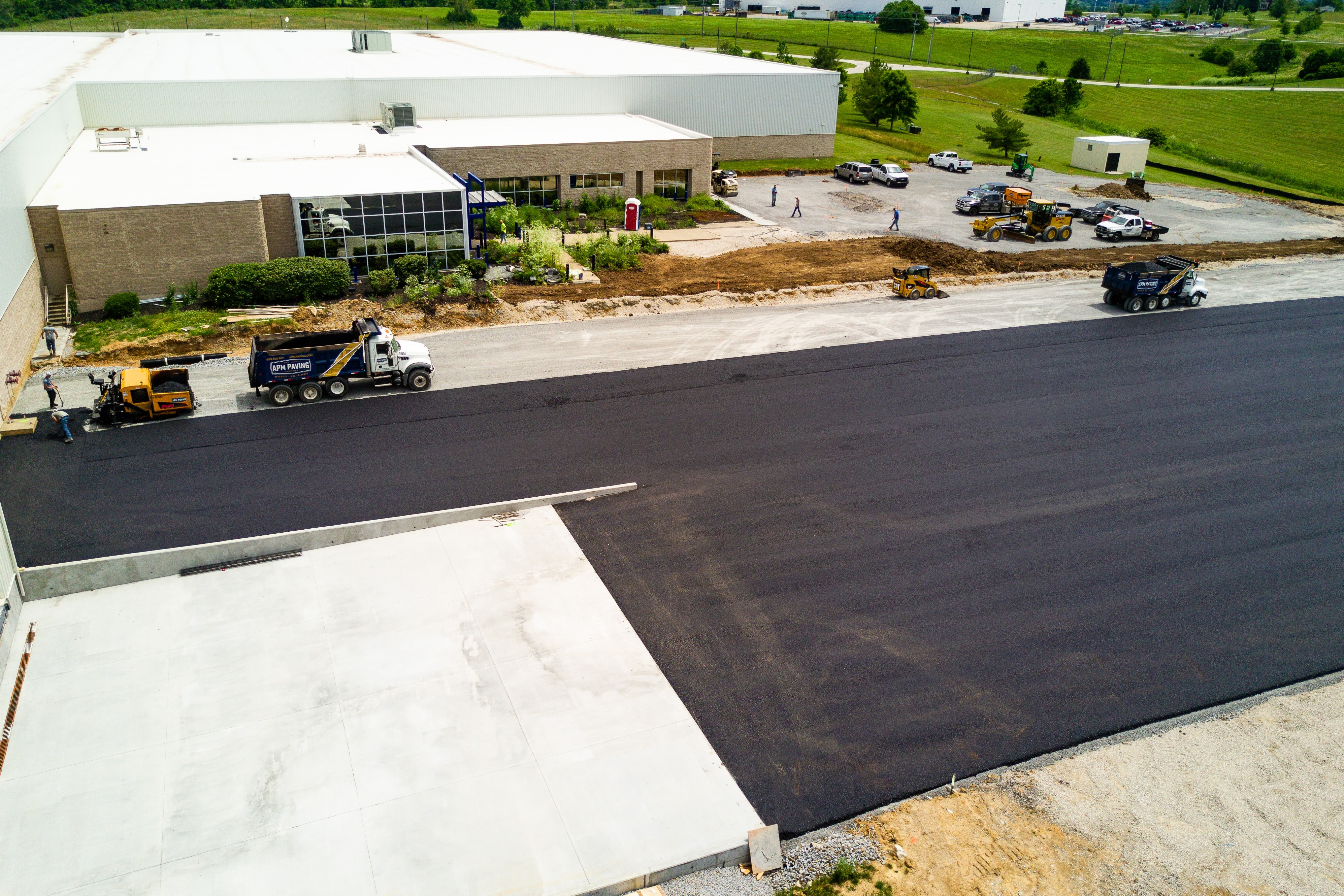
- Transitions between asphalt and concrete. Dock aprons and heavy-load zones are often built in concrete for a reason, and the seams where it meets asphalt are common failure points if they aren't detailed correctly.
Building a Realistic Maintenance Plan
The facilities that get the longest life out of their pavement aren't the ones that spend the most. They're the ones that plan ahead instead of reacting.
A realistic plan starts with knowing what you actually have. Not every area of an industrial site needs the same pavement structure or the same maintenance schedule. Heavy-traffic drive lanes and dock areas need thicker sections and more frequent inspection. Employee parking and low-traffic zones don't carry the same risk and don't need the same budget.
From there, it's about staying ahead of small problems instead of paying for big ones:
- Crack sealing before water gets into the base and undermines the whole section
- Patching isolated failures before they spread
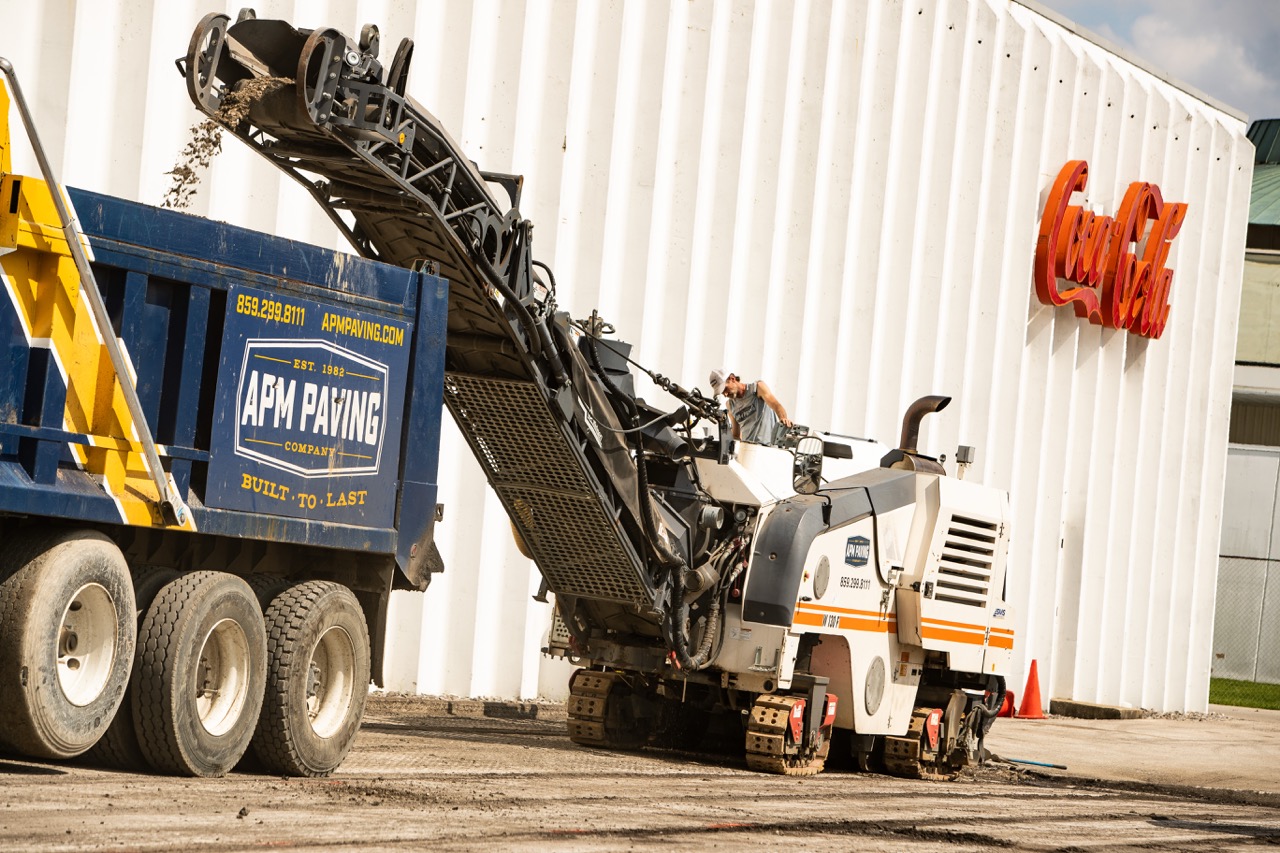
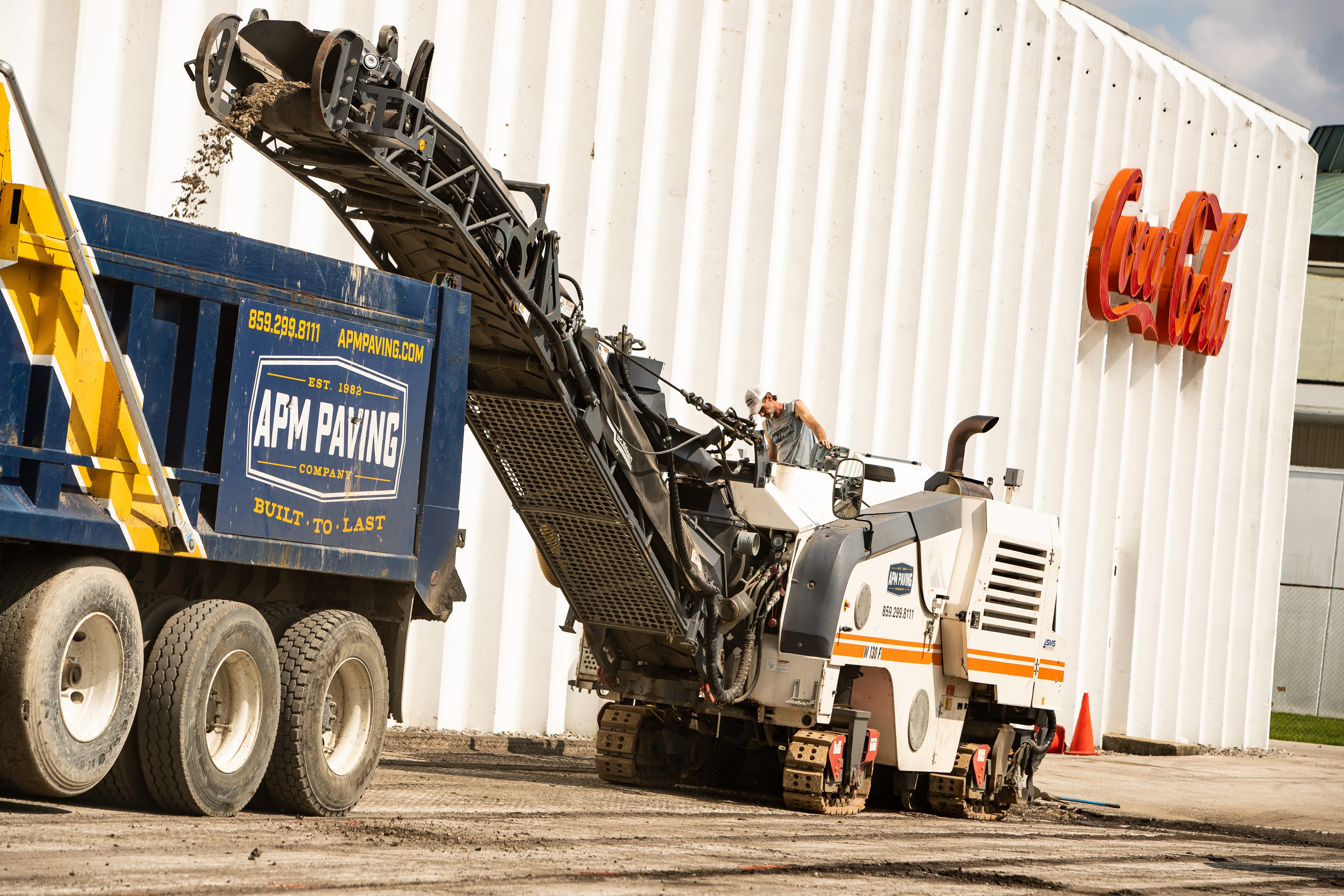
- Milling and overlay on schedule, before a lot needs full reconstruction
- Budgeting pavement work in phases that line up with your operational calendar, not around it
Long-term asphalt management is a budgeting tool as much as it's a maintenance tool. Facilities that plan repairs in advance almost always spend less over the life of the pavement than facilities that wait for something to fail.
The Bottom Line
Industrial pavement works harder than almost any other type of commercial surface, and it needs a maintenance approach built around that reality. The goal isn't a lot that looks good. It's a lot that keeps product moving, keeps people safe, and doesn't surprise you with a six-figure repair because a small problem sat too long.
A Quick Takeaway
Know your highest-wear areas, plan repairs around your operating schedule, and address small failures before they become structural ones. That's the difference between pavement that lasts and pavement that costs you.
If it's been a while since your lot has had a real look, APM Paving offers a free assessment. We'll tell you what's holding up, what's on borrowed time, and what it'll take to keep your operation running without surprises.