Paving work goes better when the people on your property know it's coming.
Closed lots, blocked entrances, and moved vehicles are easy to plan around when people have notice. They're frustrating when they come as a surprise. Here's how to get everyone ready, one step at a time.
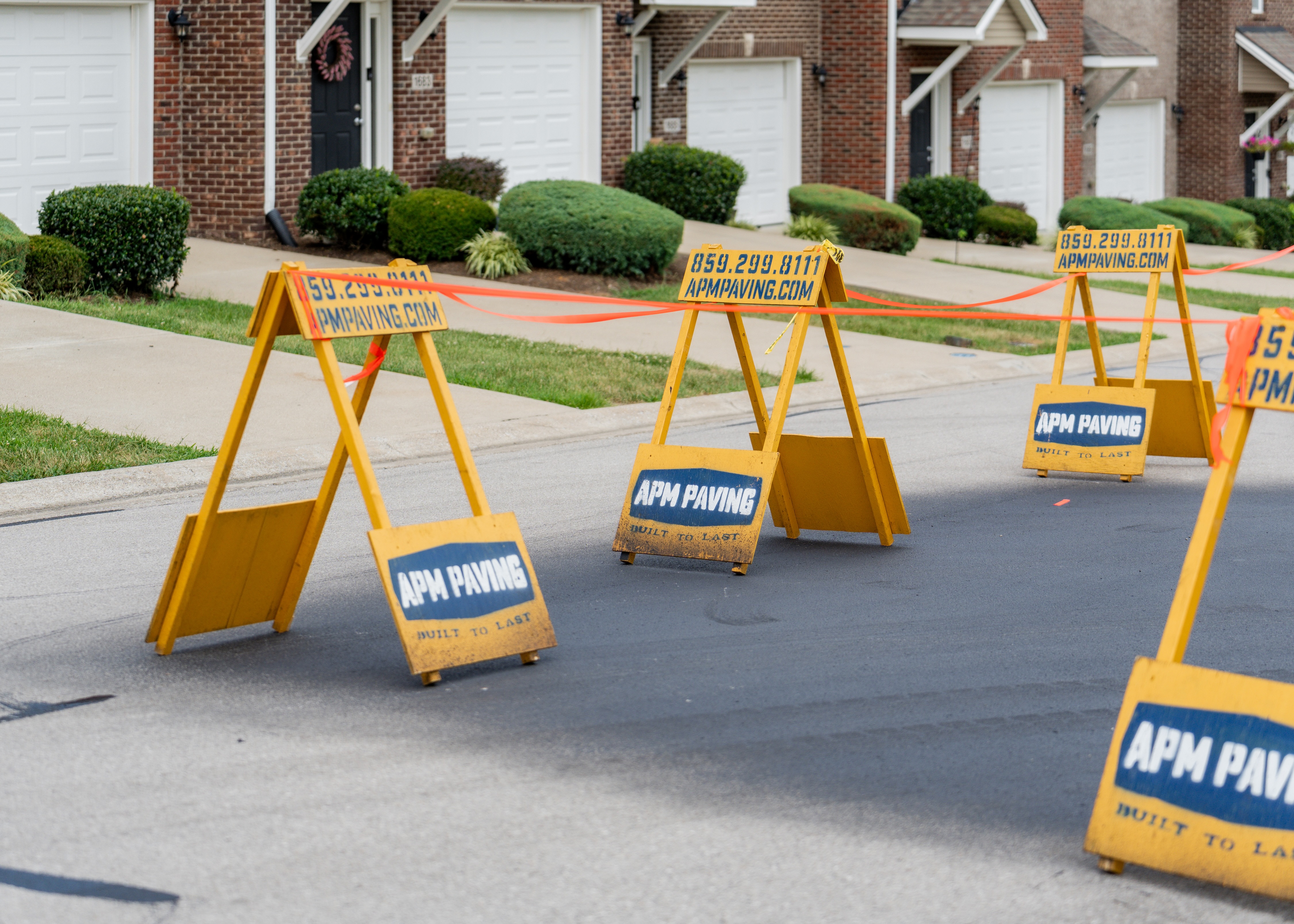
Step 1: Know What the Work Will Affect
Before you tell anyone anything, get clear on what will actually change. Ask your contractor for the details, and write them down.
You'll want to know:
- Which areas will be closed, and for how long
- Whether any entrances, exits, or drive lanes will be blocked
- Which parking areas will be unavailable and when
- Whether walkways or building entrances will be affected
- How long the surface needs before vehicles can return to it
A notice is only as good as the information behind it. Vague details lead to a lot of follow-up questions.
Step 2: Figure Out Who Needs to Know
Make a list of everyone the work will touch. It's usually a longer list than you'd expect.
Think about:
- Tenants, residents, and their guests
- Employees and anyone who commutes to the property
- Visitors and customers
- Delivery drivers, vendors, and service providers
- Emergency access, waste collection, and mail or package carriers
- Neighboring properties that share an entrance or drive
Each group may need slightly different information. A resident needs to know where to park. A delivery driver needs to know where to go.
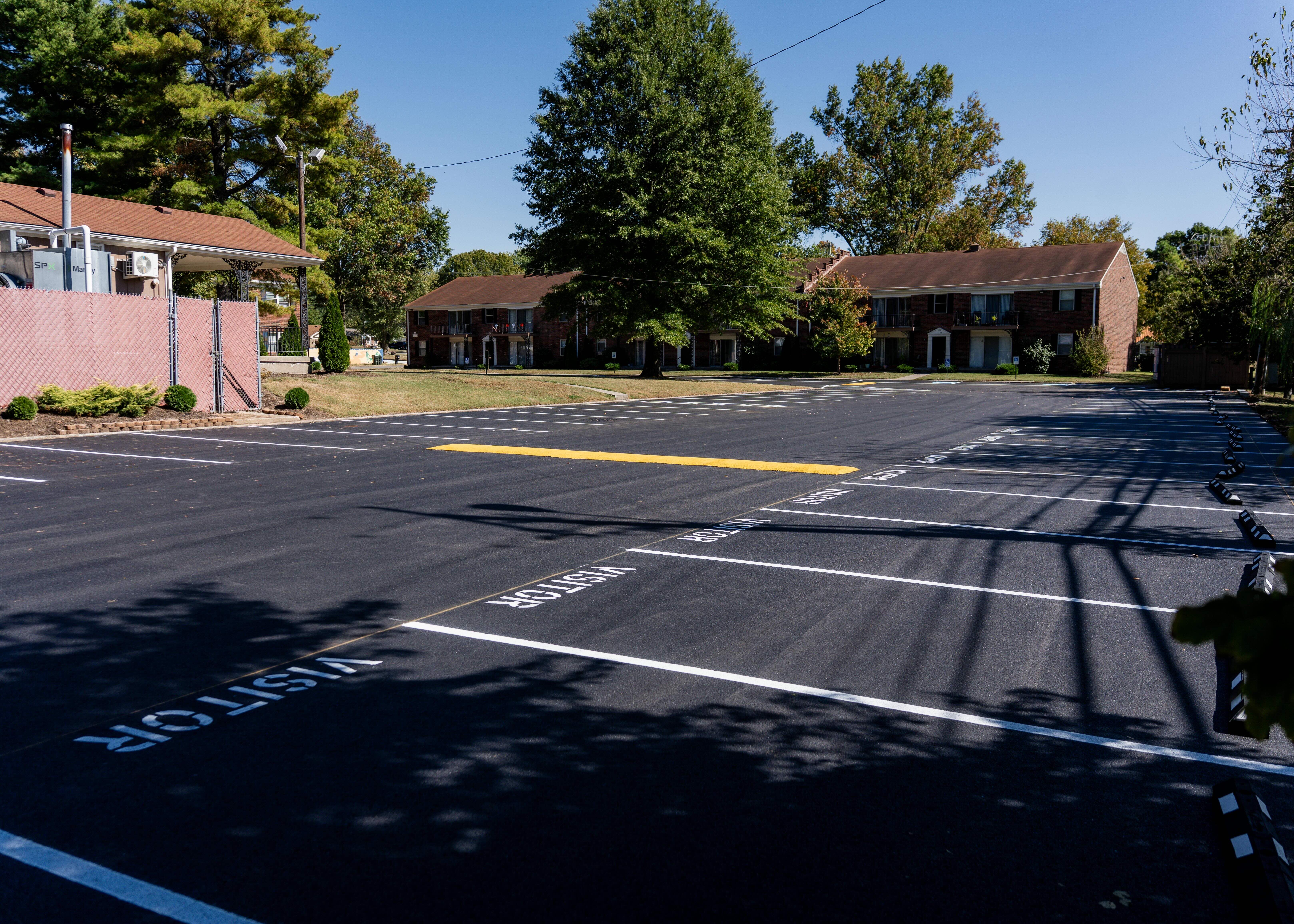
Step 3: Send Clear Notice Early
Give people enough time to adjust. Send the first notice well ahead of the work, and follow up as the date gets closer.
A good notice includes:
- The dates and times of the work
- Which areas will be closed
- Where people should park or go instead
- How long the closure is expected to last
- A contact person and a phone number or email for questions
- A note that dates can shift with weather
Use more than one channel. Email, signs, letters, and posted notices at entrances each reach people differently. If your lease or property agreements include notice requirements, check them before you send anything.
Step 4: Plan Alternate Parking and Access
If people can't use their usual spaces, they need somewhere else to go. Work out the options before the notice goes out so you can include them.
Consider:
- Nearby lots or street parking, and whether any permission is needed
- Phasing the work so only part of the lot is closed at a time
- A clear path for accessible parking and accessible routes during the work
- Access for deliveries, trash pickup, and emergency vehicles
Accessible parking and routes deserve extra attention. People who rely on them can't simply walk farther or park farther away.
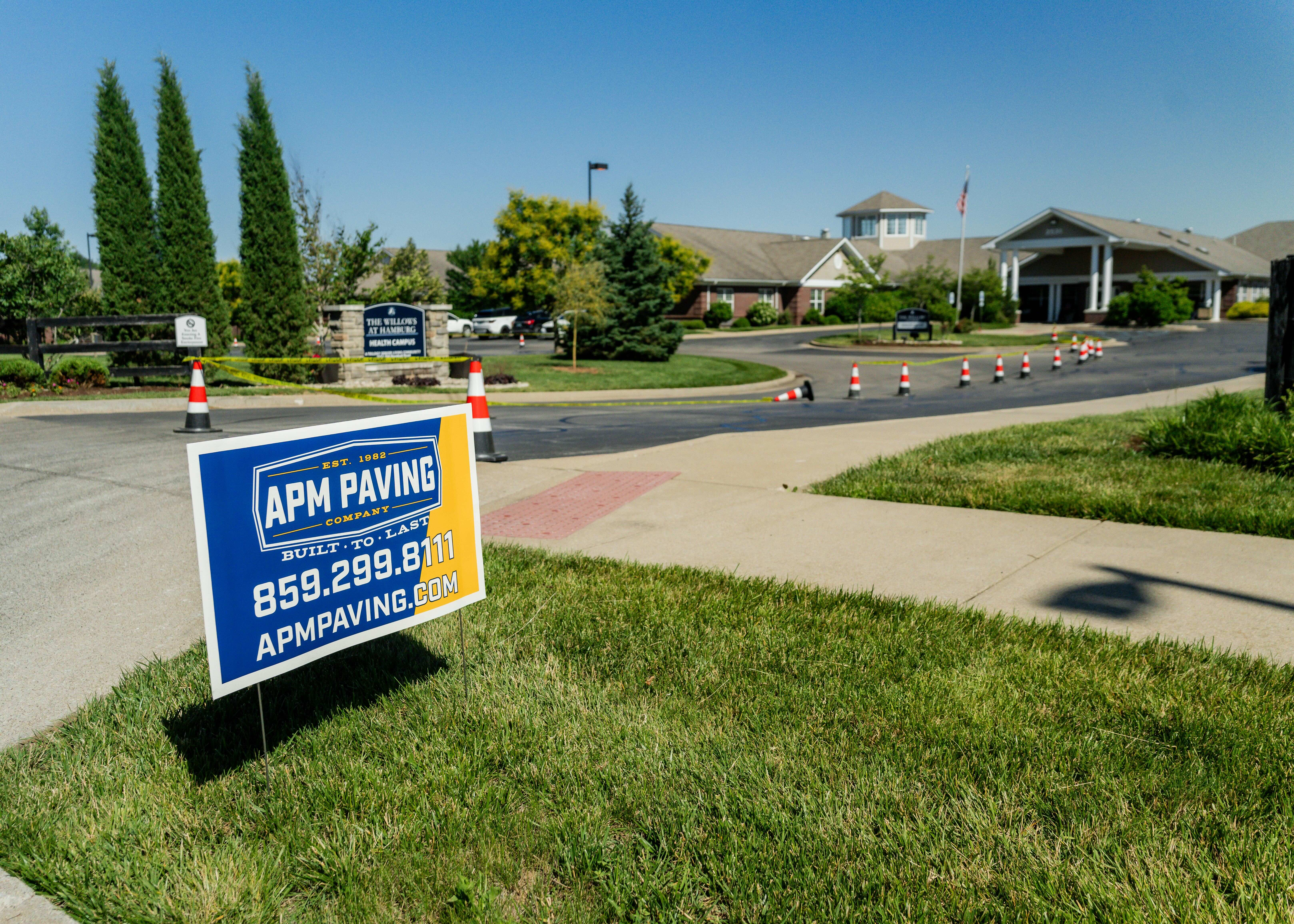
Step 5: Put Up Clear Signs and Barriers
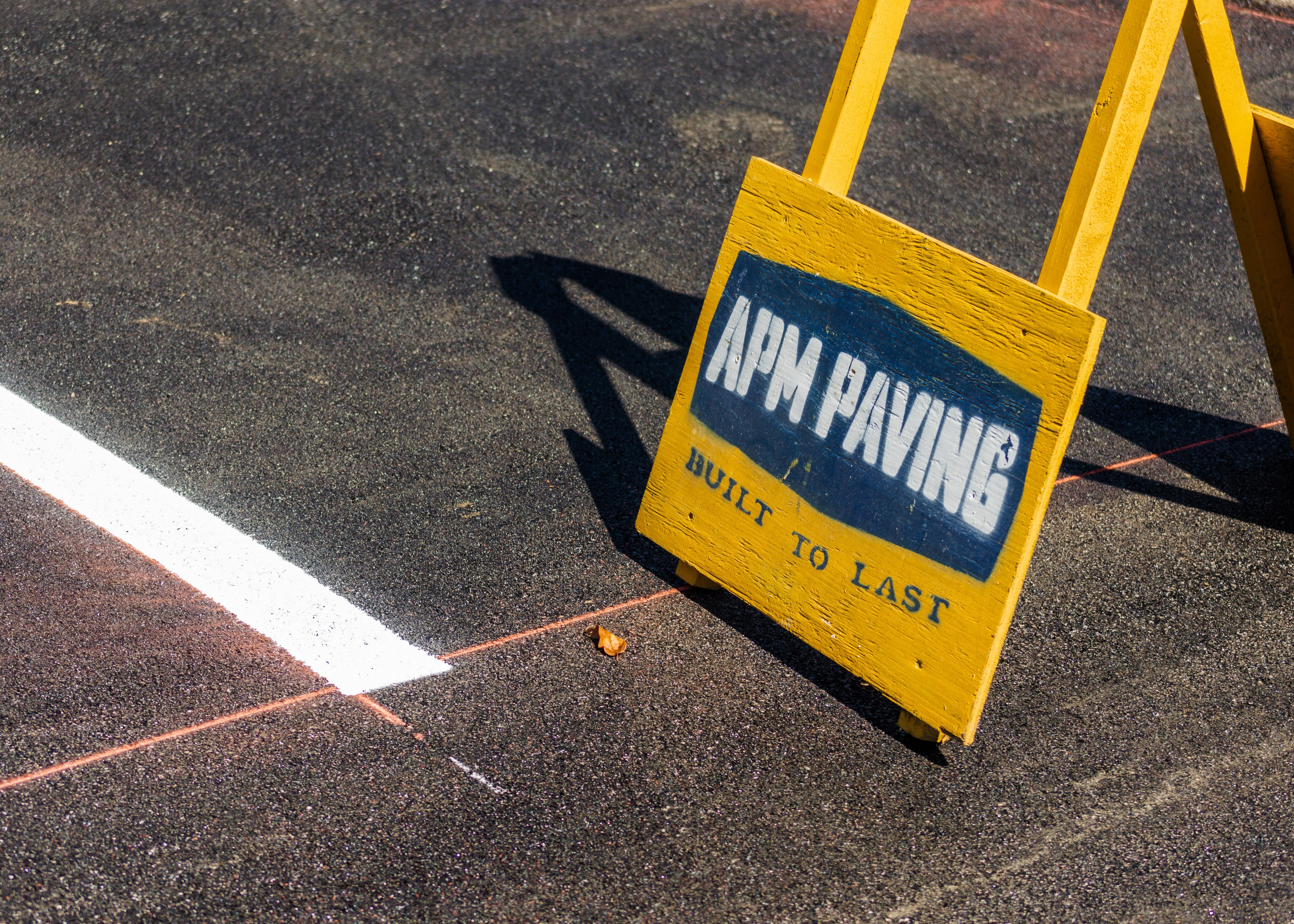
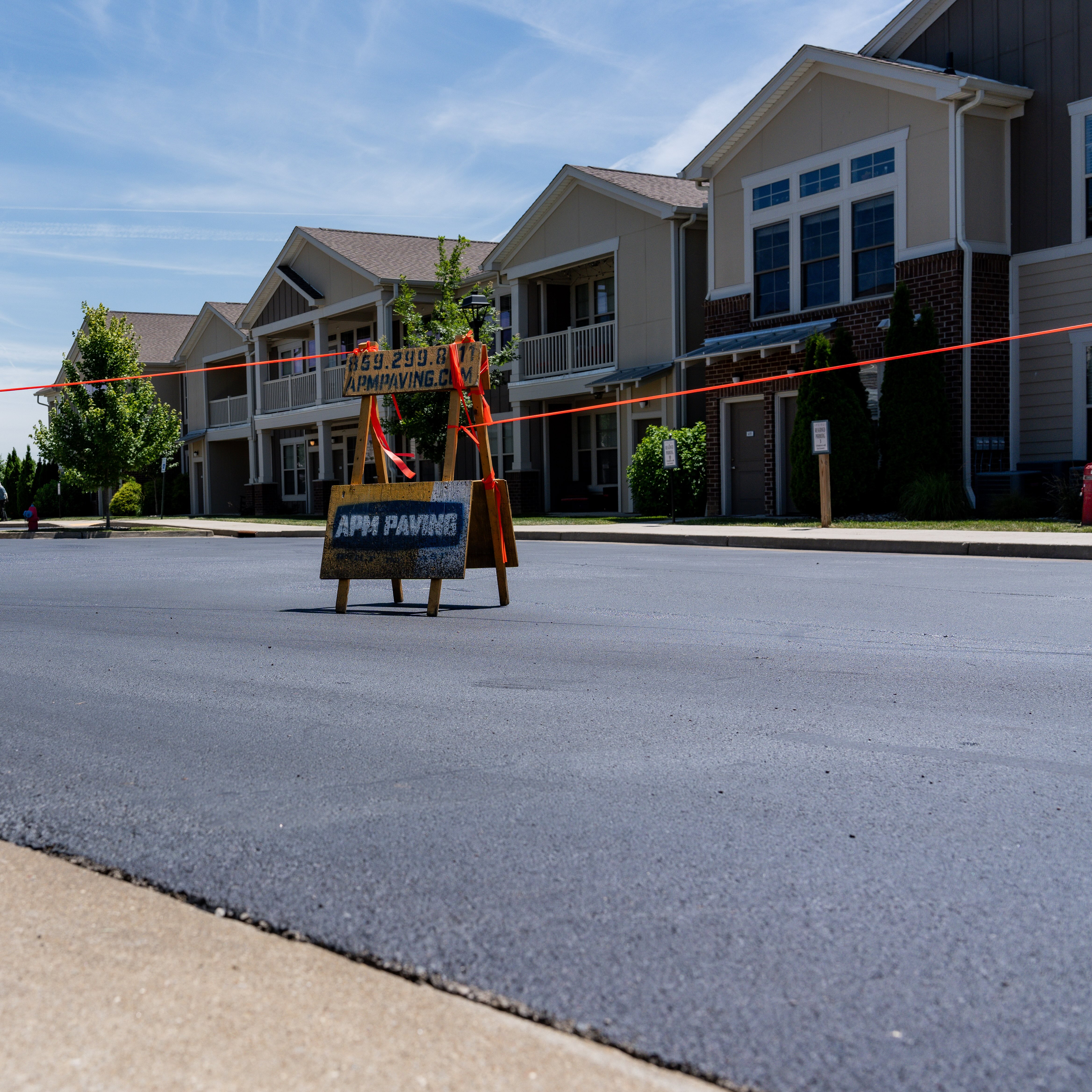
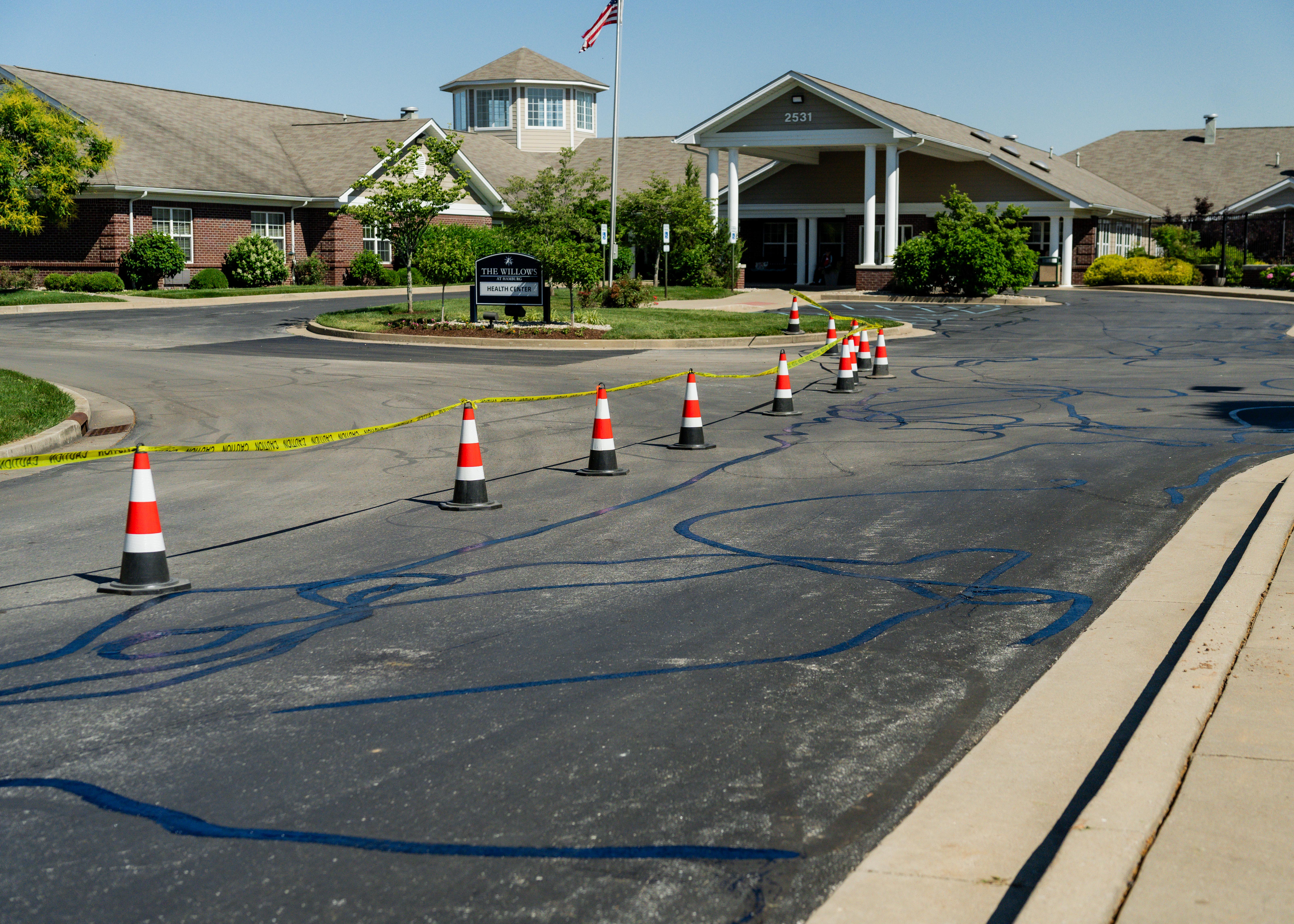
Not everyone reads email, so make the closure obvious on the ground. Signs and barricades should be in place before the work starts, and they should be easy to understand at a glance.
Make sure they show:
- Which areas are closed
- Where to park or go instead
- Where people can walk safely
- When the area is expected to reopen
Coordinate with your contractor on who provides what, and who sets it up. Confirm it before the day, not on it.
Step 6: Send a Reminder, Then Stay Reachable
The day before, send a short reminder with the key points. On the day, make sure someone on site can answer questions and handle surprises.
When the work wraps up, tell everyone when areas reopen and when it's safe to drive or walk on the new surface. Fresh pavement and sealcoat need time before they can take traffic, and people may not know that unless you tell them.
A quick thank-you goes a long way. People tend to remember how the disruption was handled.
The Bottom Line
Good communication turns paving from an annoyance into a plan. Know what's affected, tell the right people early, give them somewhere to go, mark the closures clearly, and keep them posted until it's done.
Planning a paving project and want help thinking through the timing and the closures? APM Paving offers a free assessment. We'll walk the property with you and talk through what the work will involve.